What Can You Use Face Paint On? A Complete Guide
Can you use face paint on hair, clothing, canvas, or pets? Here's everything you need to know about where face paint works — and where it doesn't.

Share
"Can I use face paint in my kid's hair?"
"Will it work on a canvas?"
"Is face paint the same as body paint?"
We hear these questions constantly. The short answer is: face paint is more versatile than you'd think — but it's designed for skin first. Let's get into the details.
What Makes Face Paint Different From Other Paint
First, let's be clear about what professional face paint actually is. It's not acrylic paint. It's not craft paint. It's not that "non-toxic" liquid paint you found at the dollar store.
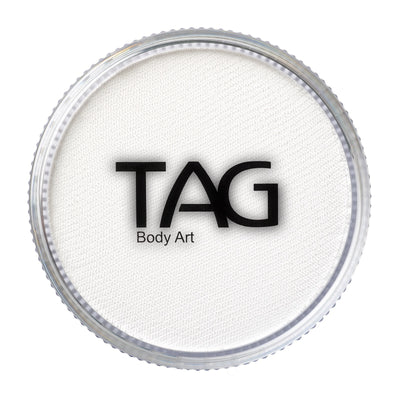
Professional face paint is water-activated and made with skin-safe ingredients like glycerin, talc, and lanolin. The glycerin gives it a smooth, silky feel on skin. The talc helps it dry quickly. And because it's formulated for cosmetic use, it washes off easily with soap and water.
This is important: just because a paint says "non-toxic" on the label does NOT mean it's safe for skin. Non-toxic means it won't poison you if accidentally ingested — it doesn't mean it's formulated for extended skin contact. Always use paint that's specifically made for face and body application. Browse our Face & Body Paint collection for professional-grade options.
Face Paint on Skin (Face and Body)
Yes — face paint and body paint are the same thing. Despite what some people think, there's no difference between face paint and body paint. If it's safe for the face, it's safe for the body. You can use it on arms, legs, backs, hands — anywhere on the skin.
The one exception: liquid latex. If you're using liquid latex for body paint effects, use it sparingly and be careful during removal. It can be irritating to pull off large areas, especially on sensitive skin or near hair.
Face Paint in Hair
Yes, you can use face paint in hair. Apply it with a brush or sponge, and it'll add bold color to hair temporarily.
A few things to know:
- Darker hair needs more coats. You may need 2-3 layers for the color to show up on brown or black hair.
- It washes out easily. One shampoo and it's gone. No staining, no residue.
- It works best on dry hair. Wet hair dilutes the paint and makes it harder to build up color.
This is great for costume events, themed parties, and performances where you want temporary hair color without commitment.
Face Paint on Paper and Canvas
Can you practice face painting on paper? Technically yes, but it's not ideal.
Face paint is water-activated, and paper absorbs moisture. So when you wet your brush and try to paint on paper, the water gets sucked into the paper and the paint doesn't glide the way it does on skin. You'll find it harder to blend, and the colors won't look as vibrant.
Canvas is better — especially if you prep the surface — but face paint still isn't designed for permanent artwork. It's meant to be temporary. Over time, sunlight and moisture will cause it to fade or wash off an unprotected canvas.
Better practice options:
- Your own arm. Skin is the best practice surface because it's... well, skin. Same texture, same bounce, same curves.
- Practice boards and heads. These mimic the feel and shape of a real face. They're reusable and give you a much more realistic practice experience than paper ever will.
The other reason to avoid paper: cost. Professional face paint isn't cheap. Using twice the paint to get mediocre results on paper means you're burning through product without building real skills.
Face Paint on Clothing
Face paint will work on fabric, but it's not the best choice.
Textiles are porous and absorb a lot of paint — you might need 3-4 coats to get solid coverage on fabric. And here's the key difference: face paint is designed to wash off. That's a feature when it's on skin, but a problem when it's on a shirt you want to keep.
If you're body painting and need to paint over a bra or underwear to blend into a design, face paint works fine for that — it's temporary by nature.
If you need to paint ON clothing permanently, use fabric-specific paint. Textile paints are formulated to be waterproof and wash-resistant, which is the opposite of what face paint does.
Accidental spills: If face paint gets on a client's shirt during a gig, tell them to wash it with soap and water as soon as possible. If they act quickly before the pigment sets, it should come out without problems.
Airbrush Paint: A Different Option
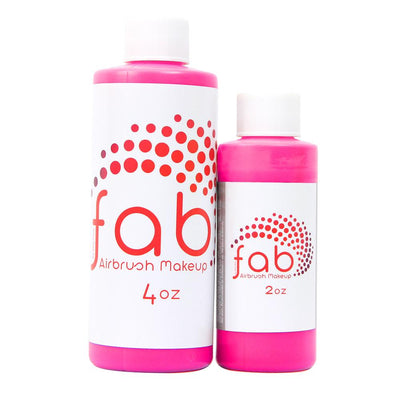
Airbrush face and body paint is liquid rather than cake-based, and it's applied with an airbrush gun. It's highly pigmented and covers large areas quickly and evenly.
If you need to cover larger areas — full body paint, painting over clothing for a shoot, or covering big surfaces — airbrush paint is more efficient than cake paint. It covers textiles in one coat where cake paint might take three or four.
That said, airbrush paint is still formulated for skin. For permanent clothing work, stick to textile-specific paints.
Face Paint on Animals
This comes up more than you'd think. Can you use face paint on pets?
Professional water-based face paint uses skin-safe, cosmetic-grade ingredients. The same ingredients that are safe for human skin are generally safe for animals too. Many face painters have painted horses, dogs, and other animals for events, promotions, and photoshoots.
A few notes:
- Animal hair may hold onto pigment longer than human skin, but it will wash out with soap and water.
- Face paint is far safer for animals than craft acrylics or household paints, which can contain chemicals that are harmful to animals.
- Use common sense. Don't paint near eyes, mouth, or nose. Keep the paint to body/fur areas.
The Bottom Line
| Surface | Does face paint work? | Notes |
|---------|----------------------|-------|
| Face & Body | Yes — designed for this | Use professional-grade only |
| Hair | Yes | Washes out with one shampoo |
| Paper | Technically, but poorly | Use practice boards instead |
| Canvas | Yes, but temporary | Will fade without sealant |
| Clothing | Temporarily | Use textile paint for permanent |
| Animals | Yes, with care | Water-based cosmetic paint only |
Face paint is incredibly versatile, but it shines brightest on skin — which is exactly what it was made for. If you're not sure which paint is right for your specific project, reach out to us. We've helped painters figure this out for over 25 years and we're happy to point you in the right direction.
Follow us on Instagram and Facebook for inspiration and tips.